
Shop by category


Best sellers
-
The Wave Ring
Regular price From $940.00 USDRegular price -
Three-Stone Ring (Baguette Side Stones) 2
Regular price From $1,250.00 USDRegular price -
Wide Band Solitaire 2
Regular price From $1,270.00 USDRegular price -
The Wave Ring 3
Regular price From $1,210.00 USDRegular price -
The Wave Ring 2
Regular price From $1,030.00 USDRegular price -
Three-Stone Ring with Pavé Band 5
Regular price From $920.00 USDRegular price -
Three-Stone Ring with Halo
Regular price From $1,340.00 USDRegular price -
The Celestial Cluster Ring
Regular price From $960.00 USDRegular price

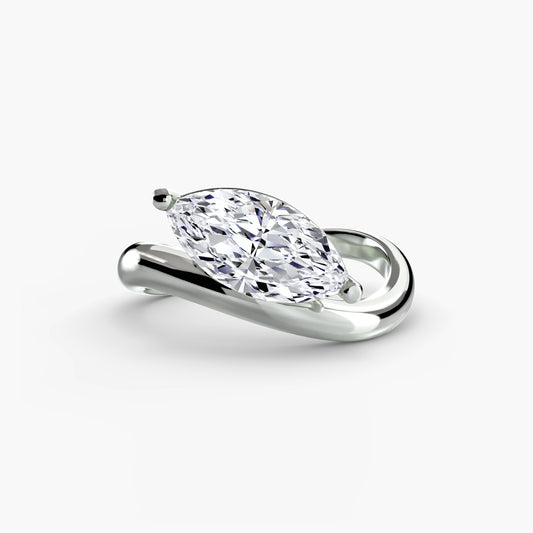

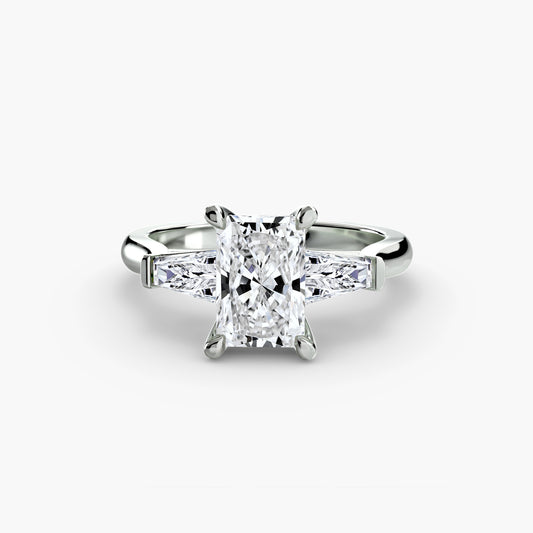

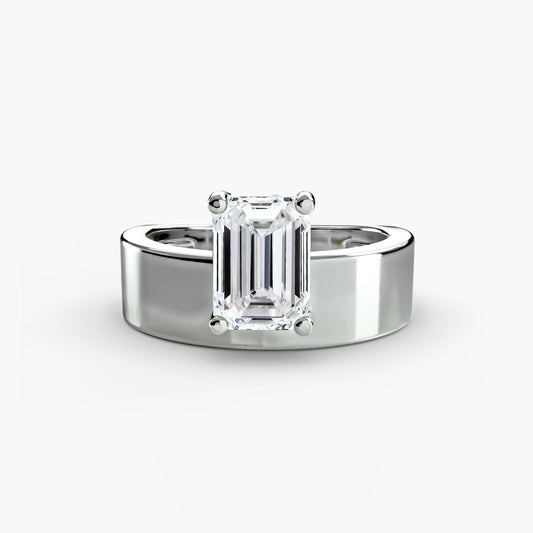

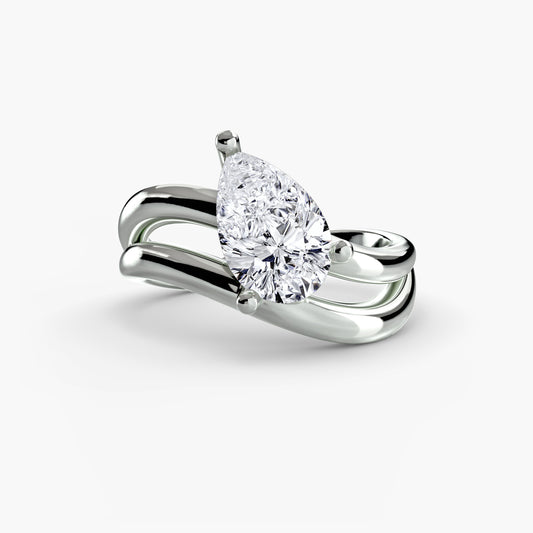

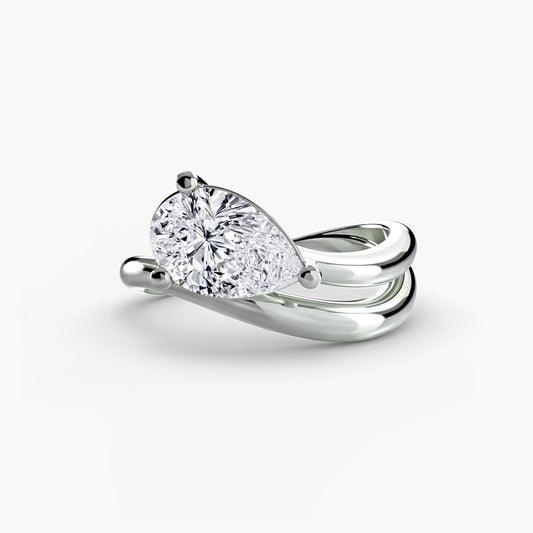

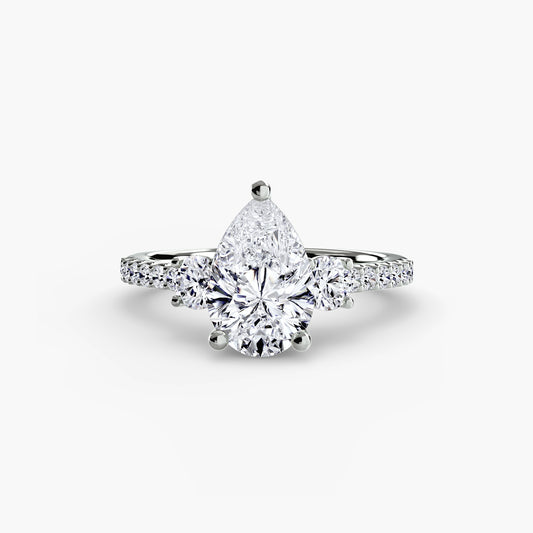

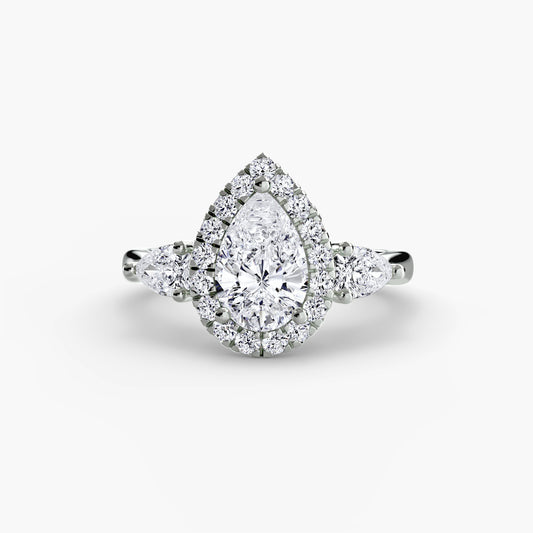

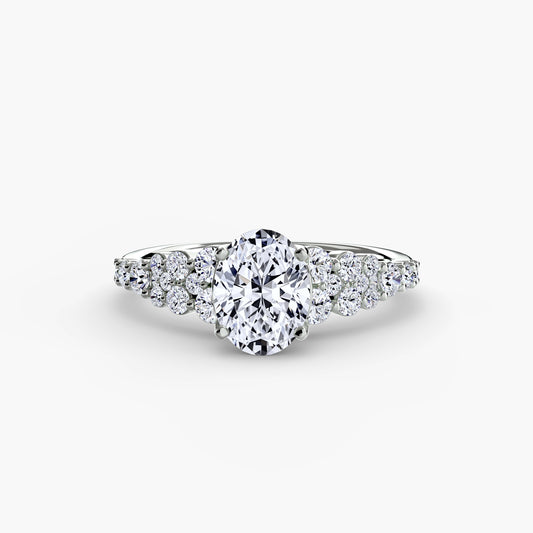

Consciously crafted for your love story.
Whether you choose lab‑grown or natural diamonds, every ring is crafted to honor your love, your budget, and your values—with supplier‑direct pricing and guidance from start to finish.

Consciously Crafted
At Conscious Diamond Direct, we believe that luxury should never come at the expense of ethics. Every diamond in our collection is sourced with unwavering commitment to environmental responsibility and fair labor practices.
We partner exclusively with suppliers who meet rigorous standards for ethical mining, transparent supply chains, and community support. Our diamonds are not just beautiful—they're a reflection of your values. When you choose a Conscious Diamond, you're investing in a stone with a story of integrity, sustainability, and genuine care for our planet and its people.
Discover the difference that conscious sourcing makes. Because true luxury is built on a foundation of trust.
About Diamonds
What are lab‑grown diamonds?
Lab‑grown diamonds are real diamonds, created in modern laboratories using advanced technology that mirrors how diamonds form deep within the earth. They share the same crystal structure, brilliance, and hardness (10 on the Mohs scale) as mined diamonds, and are graded by many of the same independent laboratories. The key difference is origin: lab‑grown diamonds are grown in controlled environments rather than over billions of years underground, often offering 30–50% more value for a similar level of beauty and quality. Both lab‑grown and mined diamonds are equally suited for everyday wear and heirloom pieces.
Lab‑grown vs natural diamonds
Natural diamonds are formed in the earth over millions of years, while lab‑grown diamonds are created above ground in a controlled environment. Both are real diamonds; lab‑grown usually give you a larger or higher‑quality stone for the same budget, while natural diamonds are chosen for tradition or personal preference.
How Lab Diamonds Are Created
HPHT (High Pressure High Temperature)
This process recreates the intense conditions found deep within the Earth. A tiny diamond “seed” is placed in a specialized press and exposed to extreme pressure (around 50,000 atmospheres) and very high temperatures (around 1,500°C). Under these conditions, carbon melts, then crystallizes around the seed, growing a diamond layer by layer.
CVD (Chemical Vapor Deposition)
In this method, a diamond seed is placed in a sealed chamber filled with carbon‑rich gases. The gases are energized into a plasma, allowing individual carbon atoms to settle onto the seed and build the diamond atom by atom. CVD typically occurs at lower temperatures than HPHT, around 800°C, and allows for very precise control over growth.
Both methods produce high‑quality lab‑grown diamonds that share the same essential properties as earth‑mined diamonds and are indistinguishable to the naked eye.
Your Choice, Your Values
At Conscious Diamond Direct, both lab‑grown and earth‑mined diamonds are regarded as beautiful, meaningful choices. Some clients feel drawn to the natural history and rarity of earth‑mined diamonds, while others prefer the innovation and controlled creation of lab‑grown stones. Each path is personal, and each is worthy of celebration.
Our role is to offer clarity and options, not pressure or judgment. We’re here to help you understand the differences so you can choose the diamond that best reflects your values, your taste, and your budget. Whether you select lab‑grown or earth‑mined, you’re investing in a timeless symbol of beauty and commitment.
Ethically Sourced
Lab‑grown diamonds are created in controlled facilities with traceable, transparent supply chains. Because they require no traditional mining, they can help reduce certain environmental and social impacts associated with diamond extraction. Their production is carefully monitored, and many stones are accompanied by independent laboratory reports.
Earth‑mined diamonds in our collection are sourced through partners who are committed to responsible practices and conflict‑free supply. Our suppliers follow recognized industry standards, such as the Kimberley Process, and work to uphold fair labor and more responsible mining practices.
Both lab‑grown and earth‑mined diamonds can be ethical choices when you select a conscientious jeweler. At Conscious Diamond Direct, the focus is on transparency and thoughtful sourcing across the entire collection, regardless of a diamond’s origin.
Care & Everyday Wear
Both lab‑grown and earth‑mined diamonds are exceptionally durable, with a hardness of 10 on the Mohs scale, making them ideal for everyday wear. To keep your diamond looking its brightest, occasional gentle cleaning with warm water, mild soap, and a soft brush is recommended, and removing jewelry before heavy impact activities will help protect both the stone and the setting.
Certifications & Authenticity
Certification
Select diamonds may be accompanied by grading reports from respected independent laboratories such as GIA, IGI, or AGS, depending on the individual stone. Many lab-grown diamonds are commonly graded by IGI, while some natural diamonds may be accompanied by GIA, IGI, AGS, or another recognized report. Smaller diamonds and certain gemstones may not include a grading report. When available, certification details will be noted in the product description and included with your purchase.
Authenticity Guarantee
Every diamond and gemstone is selected with intention and sourced from trusted channels. Where available, accompanying documentation from respected independent laboratories helps verify the stone’s origin and characteristics. Should you ever have a question about a piece, our team is always available to assist with care and clarity.
Conflict-Free Sourcing
We are committed to offering diamonds and gemstones sourced with care and integrity. Whenever possible, we work with partners who follow responsible sourcing practices that support ethical labor standards and a more thoughtful supply chain.
Diamond Specifications
Cut
The cut of a diamond describes how well the stone has been shaped and proportioned, and how its facets are arranged. More than any other factor, cut determines how much light the diamond returns to your eye—its brilliance, fire, and sparkle. A well‑cut diamond will look bright and lively, while a poorly cut diamond can appear dark or dull even if it has high color and clarity grades.
For round diamonds, cut is typically graded on a scale from Excellent, Very Good, Good, Fair, to Poor by independent laboratories such as GIA and IGI. In practical terms, aiming for Excellent or Very Good cut is often the best way to maximize beauty for your budget, since even a slightly smaller but better‑cut diamond can appear more brilliant and sometimes even look larger than a bigger stone with a weaker cut.
Clarity
Clarity describes the tiny internal characteristics (inclusions) and external features (blemishes) that may be present within a diamond. These natural fingerprints are graded on a scale from Flawless (FL) and Internally Flawless (IF) down through Very Very Slightly Included (VVS), Very Slightly Included (VS), Slightly Included (SI), and Included (I). Most diamonds have some inclusions, but many are so small that they are not visible to the naked eye and do not affect the beauty of the stone.
For everyday wear, many clients choose diamonds in the VS or SI range, where inclusions are typically difficult to see without magnification yet offer excellent value.
Carat Weight
Carat weight refers to themassof a diamond, not its size alone. One carat equals 200 milligrams, and carat is divided into 100 points (for example, a 0.50 ct diamond is “half‑carat”). While carat weight is one of the main drivers of price—because larger diamonds are rarer—it is only one part of overall beauty. A well‑cut diamond of slightly lower carat weight can often appear more brilliant and even look larger than a heavier stone with a weaker cut.
Color
Diamond color describes how much body color is present in a stone. Most white diamonds are graded on a scale from D (colorless) through Z (light yellow or brown). Colorless and near‑colorless diamonds (typically D–J) are prized because they allow more white light to pass through the stone, enhancing brightness and apparent sparkle.
Subtle differences in color can be hard to see with the naked eye, especially once the diamond is set, so many clients choose the range that balances a bright, white appearance with the right value for their budget.